
Expert Architect Plans for Modern & Custom Building Designs
Why Are Accurate Architect Plans Fundamental to Construction Success?
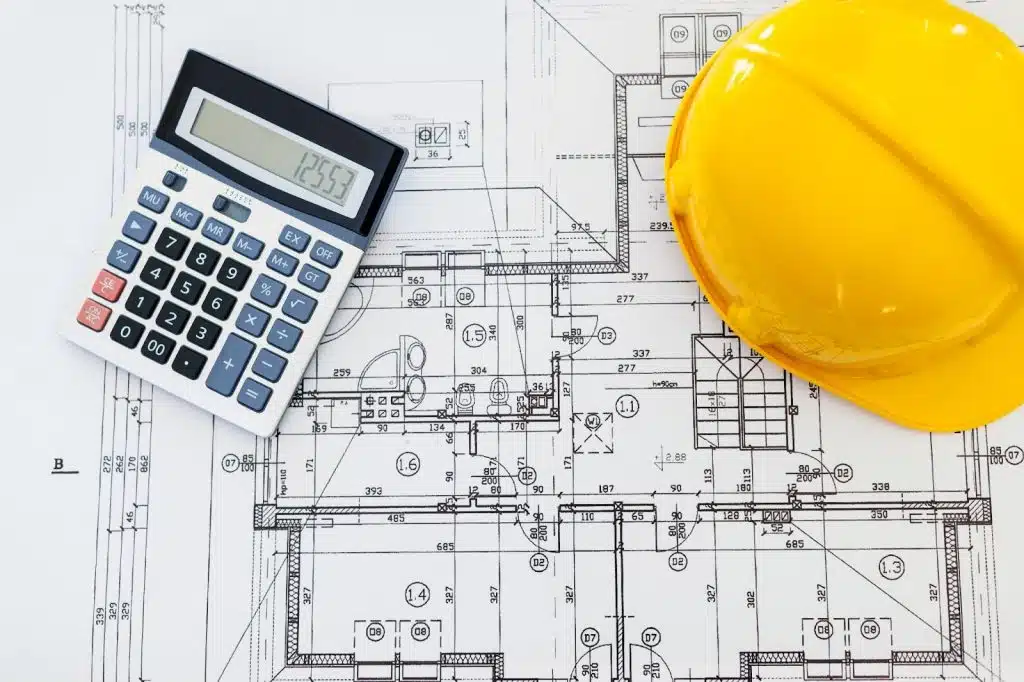
In the realm of construction, precision and clarity in planning are the cornerstones of a successful project. Architect plans serve as the blueprint that guides every stage of development, from initial design concepts to final build. They are a detailed representation of the architectural vision, technical specifications, and construction methods, ensuring all stakeholders share a unified understanding. Without accurate architect plans, projects risk delays, cost overruns, and structural flaws that compromise safety and quality.
How Do Architect Plans Influence Overall Project Efficiency and Cost Management?
Detailed architect plans streamline the construction process by providing clear instructions and reducing ambiguities. This minimizes errors during building, prevents costly rework, and accelerates timelines. Proper planning also assists in budgeting by accurately estimating material needs and labor requirements, leading to better financial control. When architect plans are comprehensive and precise, project managers can forecast potential challenges beforehand, making proactive adjustments to avoid unforeseen expenses.
What Are the Key Elements That Make Architect Plans Accurate and Reliable?
Achieving accuracy in architect plans involves multiple components:
- Precise Measurements: Every dimension must be exact to ensure the structural integrity of the design.
- Detailed Documentation: Clear annotations, material specifications, and construction notes facilitate effective communication among all parties.
- Incorporation of Building Codes and Regulations: Plans should adhere to local standards to ensure legal compliance and safety.
- Use of Advanced Technologies: Incorporating tools like Building Information Modeling (BIM) enhances precision and visualization capabilities.
- Regular Updates and Revisions: As project scopes evolve, plans should be reviewed and refined to reflect changes accurately.
How Does Modern Technology Improve the Precision of Architect Plans?
Emerging technologies have revolutionized architectural planning, enabling architects to produce highly accurate and detailed plans. Building Information Modeling (BIM), for instance, allows for 3D modeling that integrates structural, mechanical, and electrical systems, providing a multi-dimensional view of the project. This approach facilitates clash detection, reduces errors, and improves coordination across disciplines. Additionally, laser scanning and drone imagery contribute to precise site analysis and topographical mapping, further refining the accuracy of architect plans.
Why Is Collaboration Among Stakeholders Critical When Developing Architect Plans?
Successful construction projects depend on seamless collaboration between architects, engineers, contractors, and clients. Accurate architect plans act as a common language that aligns everyone's expectations and responsibilities. Open communication ensures that design intentions are correctly interpreted, potential conflicts are identified early, and modifications are implemented efficiently. Enhanced collaboration ultimately results in better problem-solving, cost savings, and timely project completion.
What Are Common Challenges Caused by Inaccurate Architect Plans?
Inadequate or flawed architect plans can lead to a host of issues, including:
- Structural failures or safety hazards due to incorrect load calculations or misaligned components.
- Delays caused by unforeseen site issues or design conflicts that could have been identified earlier.
- Cost overruns stemming from unexpected material requirements or rework.
- Legal complications arising from non-compliance with building codes or zoning laws.
- Damage to reputation and client trust due to compromised project quality.
How Can Construction Firms Ensure the Accuracy of Architect Plans?
Several best practices contribute to the integrity of architect plans:
- Engaging experienced architects and designers with a comprehensive understanding of local regulations and technical standards.
- Implementing advanced design software that supports detailed modeling and simulations.
- Conducting thorough site analysis and pre-construction surveys to inform planning.
- Involving all relevant stakeholders during the planning stage to gather diverse insights.
- Establishing rigorous review and approval processes to catch errors early.
What Role Do Architectural Trends Play in Shaping Effective Architect Plans for 2025 and Beyond?
Staying abreast of emerging architectural trends is vital for creating innovative and sustainable architect plans. For example, the integration of [architectural panel systems for walls](https://amerieagleconstruction.com/post/architectural-panel-systems-for-walls) enhances both aesthetic appeal and thermal efficiency. Similarly, adopting [high-performance window materials for homes](https://amerieagleconstruction.com/post/highperformance-window-materials-for-homes) ensures energy efficiency and occupant comfort. Exploring these trends helps architects design future-proof plans that align with evolving consumer expectations and environmental standards.
How Do Accurate Architect Plans Impact Sustainability and Energy Efficiency?
Sustainable building practices require meticulous planning to optimize resource utilization, minimize waste, and improve energy efficiency. Well-crafted architect plans account for passive design principles, such as proper insulation, natural ventilation, and strategic shading. Incorporating energy-efficient systems and materials directly from the planning phase reduces long-term ecological footprint and lowers operational costs. Every detail in architect plans matters in achieving green building certifications and meeting regulatory standards.
Can Proper Architect Plans Facilitate Fundraising and Stakeholder Engagement?
Comprehensive, accurate architect plans serve as compelling visual aids that communicate the project’s vision clearly to investors, community members, and regulatory agencies. They foster transparency and confidence, making it easier to secure funding or permits. Visual representations like 3D models and detailed renderings help stakeholders understand the scope, design intent, and value proposition, leading to smoother approval processes and stronger partnerships.
How Do Architect Plans Align with Construction Management Strategies?
Aligning detailed architect plans with construction management ensures a streamlined workflow. Precise plans support effective scheduling, resource allocation, and risk mitigation. They enable project managers to break down the build process into manageable phases, monitor progress accurately, and adapt to unforeseen circumstances efficiently. This synergy between planning and execution ultimately results in projects that meet deadlines, stay within budget, and uphold quality standards.
What Are the Benefits of Outsourcing Architectural Drafting to Specialized Firms?
Partnering with specialized architectural firms can enhance the precision and creativity of architect plans. These firms bring expertise in the latest design technologies, regulatory compliance, and innovative concepts. They often have access to cutting-edge software and tools, reducing errors and improving turnaround times. Collaborating with experienced professionals ensures that your architect plans are both technically sound and creatively inspiring, supporting a successful construction process.
How Do Regulations and Zoning Laws Impact Architect Plans?
Adhering to local regulations and zoning laws is essential in creating architect plans that are approved and compliant. These rules influence building height, setbacks, land use, and environmental considerations. Early integration of legal requirements into plans prevents costly revisions or project delays during the permitting process. Consulting with local authorities and incorporating their guidelines ensures the plans support a seamless transition from blueprint to construction.
What Is the Future of Architect Plans in the Era of Smart Buildings?
The advent of smart building technology emphasizes the importance of integrated, data-driven architect plans. Incorporating IoT devices, sensors, and automation systems from the planning stage results in buildings that are more responsive, efficient, and user-centric. Advanced software allows for real-time monitoring and adaptive designs, transforming traditional architect plans into dynamic frameworks that evolve with technological advancements. Embracing these innovations creates sustainable, intelligent buildings aligned with future urban development trends.
Frequently Asked Questions (FAQs)
Detailed architect plans are crucial in identifying potential issues early, coordinating complex systems, and ensuring proper installation, significantly reducing the risk of construction defects.
Modern technology such as BIM, CAD software, and laser scanning enhances precision, visualization, and coordination, leading to more reliable and comprehensive architect plans.
Evaluate their portfolio, experience with similar projects, use of advanced tools, and client reviews. Ensuring they understand your vision and local regulations is equally important.
Sustainable materials improve energy efficiency, reduce environmental impact, and often comply more easily with green building standards, adding long-term value to your project.
Accurate plans streamline workflows, reduce delays caused by uncertainties, and facilitate better coordination, leading to timely project completion.
Understanding the importance of accurate architect plans is essential for achieving construction excellence. From initial design to final build, precise planning minimizes risks, controls costs, and ensures safety and quality. American Eagle Construction specializes in delivering meticulous architectural planning tailored to your project's unique needs. Contact us today to discuss how we can help turn your vision into reality through detailed, accurate architect plans.